Six Months in Akner: Bringing Free Dental Care and Oral Health Education to Children
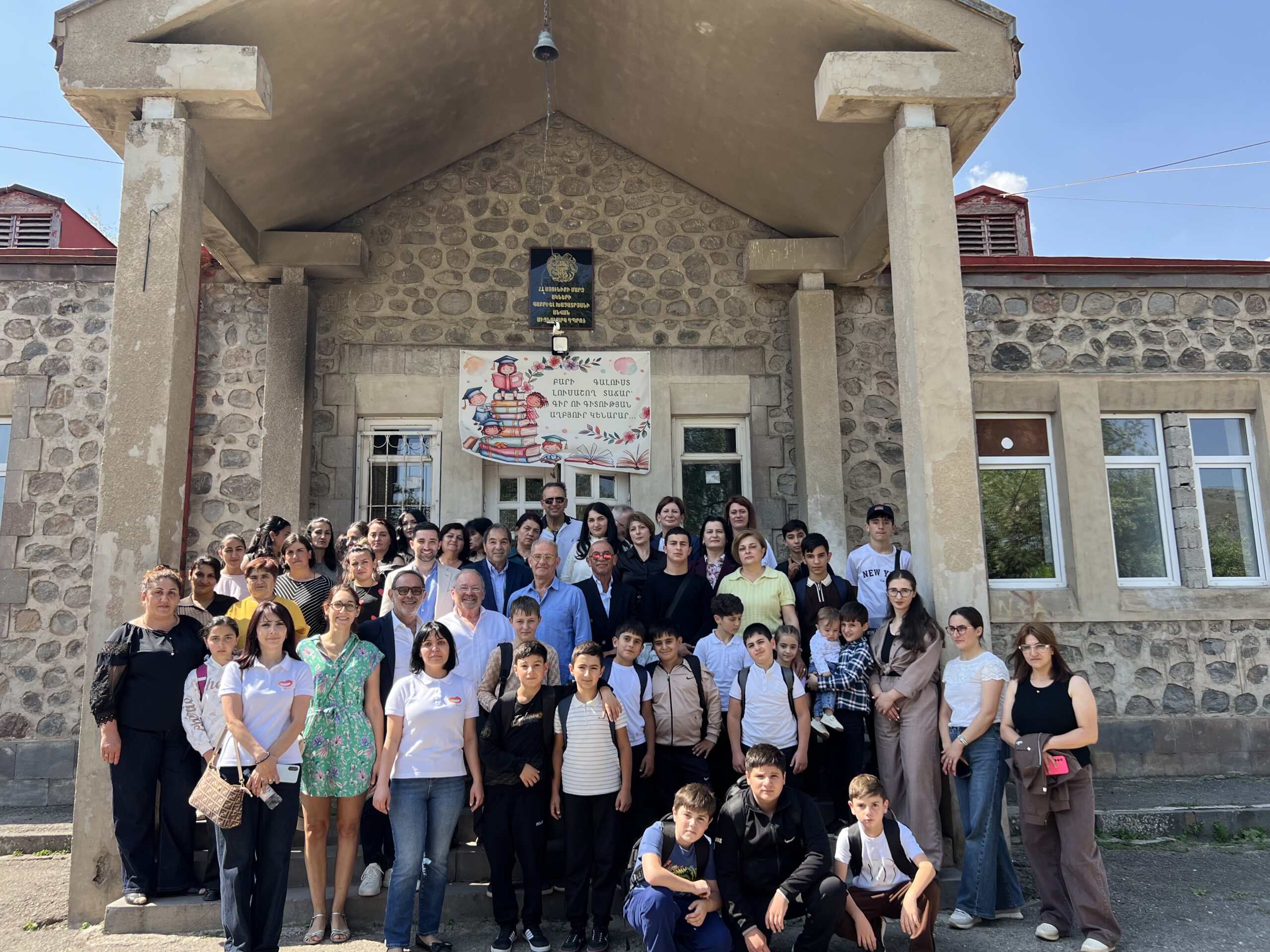
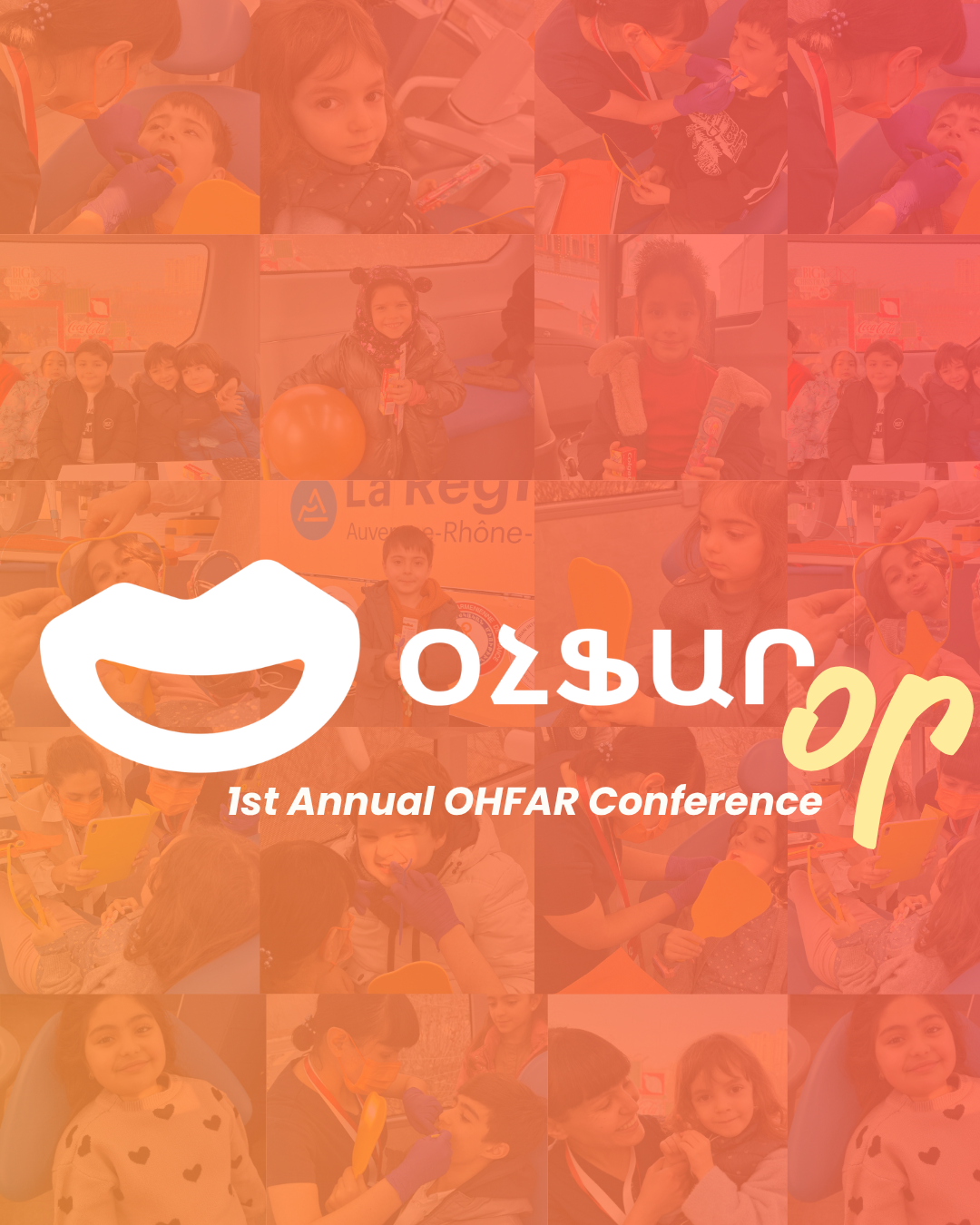
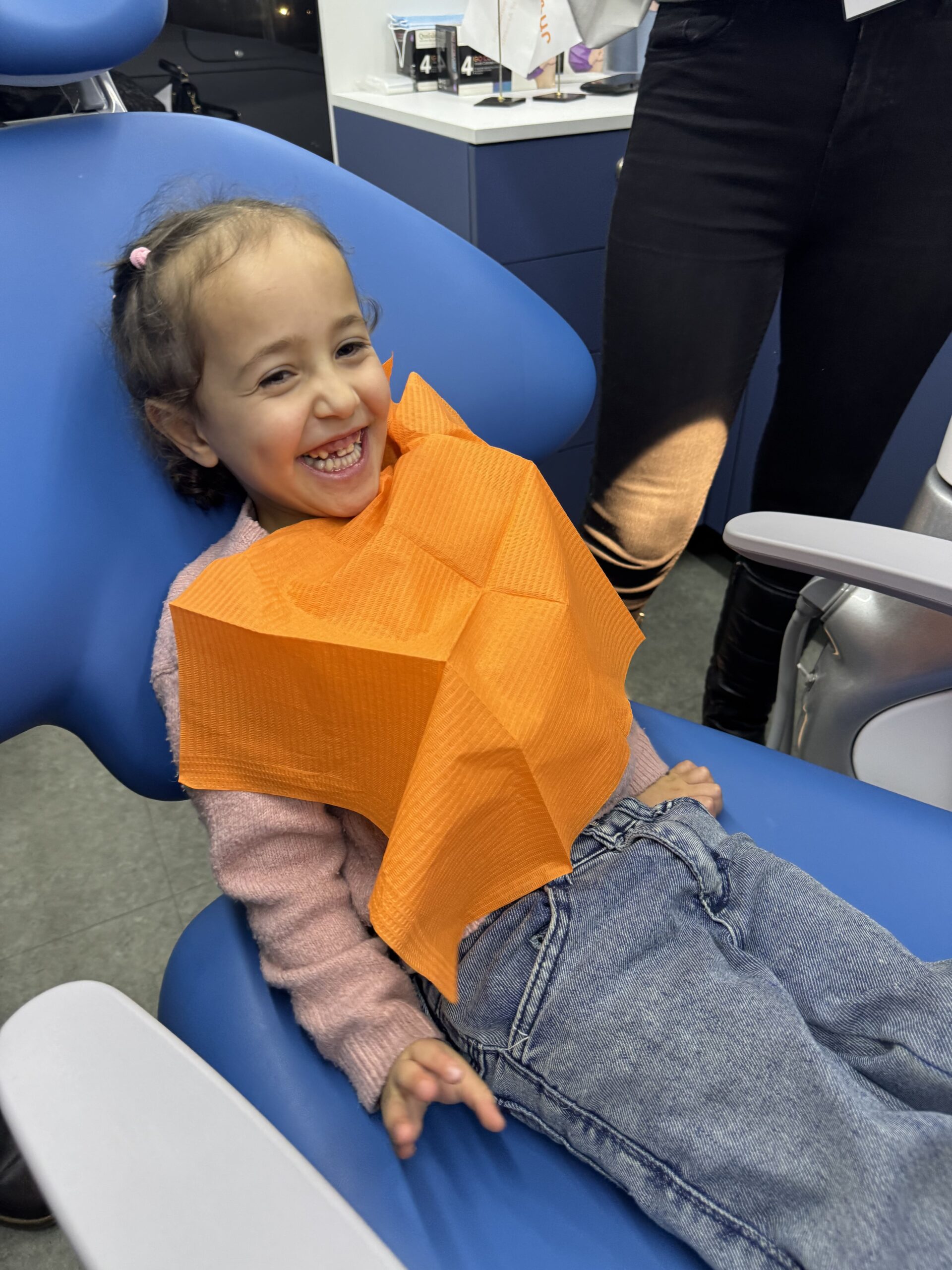
Over six months, OHFAR’s Adamnabus program brought dental treatment, oral health education, and support to children and families in Akner, Syunik. The initiative addressed significant treatment needs while helping children develop better habits for caring for their teeth.
The program reported approximately AMD 7 million in direct costs saved for the community. Parents shared encouraging feedback about their children’s experiences, expressed confidence in the dental team, and strongly supported bringing the program to more schools.
Addressing a Clear Need for Dental Care
The oral health assessment in Akner revealed that 89.7% of assessed patients had at least one cavity, with approximately three untreated decayed teeth per patient on average. These findings highlighted the importance of accessible treatment and preventive education within the school community.
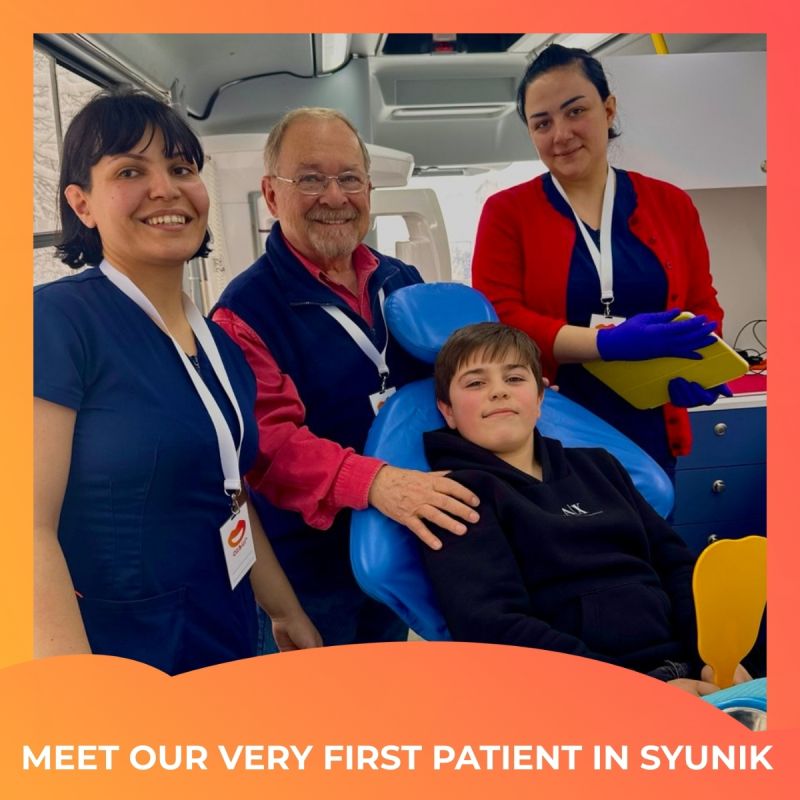
The program began with an agreement signed on February 4, followed by the first visit on February 5 and the first treatment on February 7. Treatment was completed on August 6, and the results were presented on September 16.
The treatment plan included 311 dental procedures. Restorative treatment accounted for 66.5% of planned procedures, followed by extractions at 20.5%, pulp therapy at 8%, and dental cleaning at 4.8%. This range reflected the different needs identified during the assessment.
For many children, care required several appointments. More than half—56.5%—needed three or more visits, while 29.6% needed two visits and 13.9% needed one. Similarly, 55.9% required three or more procedures, 21.6% required two, and 22.5% required one. These findings illustrate why continued access to care was essential throughout the program.
Building Trust With Children and Families
Parents’ feedback highlighted the dental team’s patience, professionalism, and individual approach to children. Among surveyed parents, 77.2% reported complete trust in the team, while 22.7% said they generally trusted it.
One parent praised “the doctor’s patient and professional approach,” describing the doctor as calm and patient. Another valued “the individual and professional approach to each child.”
Children’s experiences were also described positively: 59% of parents rated their child’s experience as very positive, and 40.9% rated it as positive. Most parents 86.3% said their child felt fully safe and comfortable during the visit, while 13.6% said their child generally felt that way.
Feedback on discomfort provided a fuller picture of the care experience. While 45.4% reported no pain or discomfort, 31.8% reported slight discomfort, 18.1% reported moderate discomfort, and 4.5% reported severe discomfort. These responses offer useful information for the team as its work continues.
Helping Children Develop Better Oral Health Habits
Education was an important part of the Akner program. Alongside treatment, children learned about tooth care, oral hygiene, and prevention.
According to surveyed parents, 90.9% of children learned substantially about oral hygiene, while 9% learned to some extent. Parents also reported changes beyond the dental appointments: 77.2% said their child had changed their oral hygiene habits after the program. Another 9% reported no change, and 13.6% were unsure.
When asked whether the program had improved their child’s oral health, 77.2% of parents strongly agreed and 22.7% agreed. In their overall assessment, 77.2% rated the program as very effective, 18.1% as effective, and 4.5% as somewhat effective.
These observations reflect parents’ perspectives and provide encouraging feedback on the value of combining treatment with education.
Continuing the Work at Karashen School
Following the completion of treatment in Akner, OHFAR’s team is now providing dental treatment to children at Karashen School.
The experience in Akner offers valuable lessons for this next stage. The assessment findings demonstrate the need for sustained care, while parents’ feedback highlights the importance of trust, clear communication, and education alongside treatment.
We thank the dental team, participating families, the school community, and everyone who supported the program. Their involvement helped bring dental care and oral health education closer to children who needed them.
Together, we have turned an idea into reality. Together, let’s continue bringing smiles to the children of Armenia.